

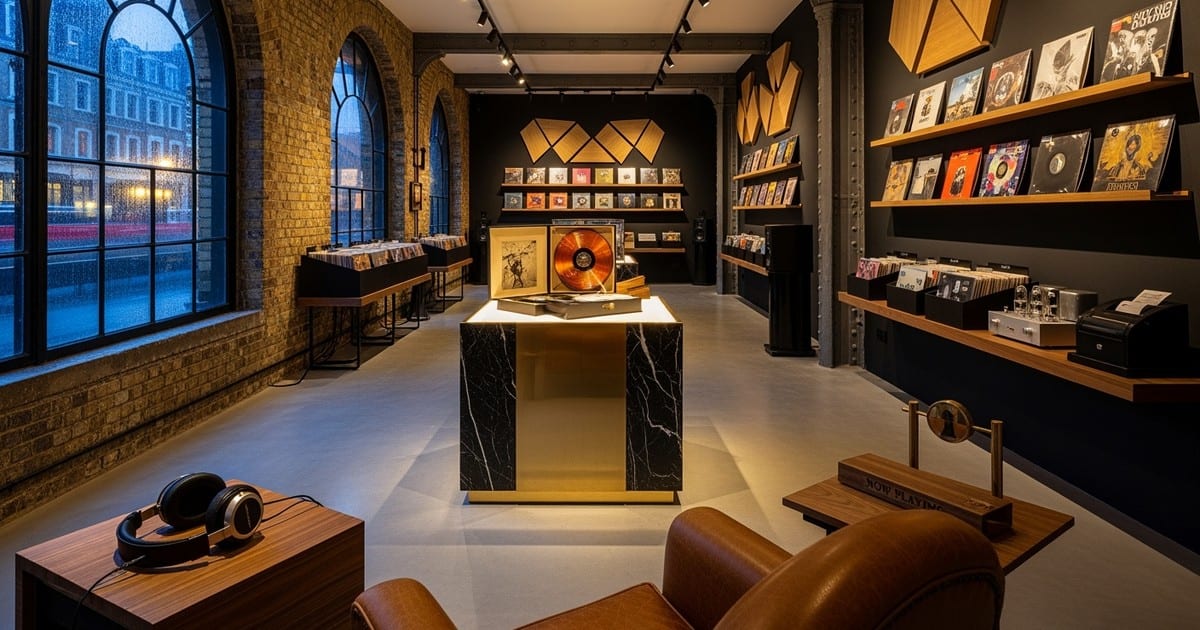
Universal Music Group officially opened its London flagship store in Camden Market today, cementing a strategic pivot from pure intellectual property management to high-street retail operations. Following the December 10 launch of a North American counterpart at 2 Penn Plaza in New York, the world's largest music company is aggressively building a physical infrastructure to monetize the high-value "superfan" demographic.
The retail math
Streaming economics have hit a ceiling in mature markets. While a casual listener and a die-hard fan both generate the same monthly subscription revenue—roughly $11.99—their willingness to pay differs wildly. UMG’s new UMusic Hospitality & Lifestyle division aims to uncap this revenue potential.
By owning the point of sale, UMG captures the full margin on physical goods, bypassing the 20-30% cuts traditionally taken by third-party retailers like HMV or venue concessionaires. The strategy is paying off: UMG’s merchandising revenue climbed to €259 million in Q3 2025, a 15.6% year-over-year jump.
Owning the data loop
These locations are data mines disguised as record shops. Direct-to-consumer transactions allow the label to map purchasing behaviors that are usually obscured by digital intermediaries like Spotify or Amazon.
This proprietary data stream is a critical hedge. As EU regulators scrutinize UMG’s proposed $775 million acquisition of Downtown Music over data dominance concerns, owning physical retail ensures the label retains deep consumer insights regardless of antitrust outcomes. If UMG is forced to divest digital tracking assets like Curve, the footfall data from Camden and Penn Plaza becomes an essential asset for valuing artist catalogs.
A K-Pop infrastructure
Western labels are finally adopting the vertical integration model perfected by Korean powerhouse HYBE. Just as HYBE turned physical spaces into pilgrimage sites for BTS fans, UMG is positioning its stores as "cultural hubs" rather than mere outlets.
The Camden location features specialized zones designed to increase dwell time:
- The Sound Room: A high-fidelity listening studio mimicking the artist recording process.
- The Vinyl Lounge: A social space capitalizing on continued double-digit vinyl growth.
- Performance Space: A modular micro-venue for artist Q&As and pop-ups.
Key insight: A shop sells products; a cultural hub sells identity. UMG is betting that fans will pay a premium for the "retail theatre" experience that AI-generated content cannot replicate.
Squeezing the middleman
The arrival of a supplier-owned retailer disrupts the ecosystem for heritage chains like Rough Trade. UMG now possesses the ability to window exclusive vinyl variants or limited-edition capsule collections—like the recent collaboration with Awake NY—to its own stores before releasing them to general retail. This inventory advantage creates a powerful moat that independent retailers will struggle to cross.
What managers must negotiate
For artist teams, the opening of UMusic Shop Camden changes the deal structure. The "360 deal" is evolving into a physical shelf-space agreement.
The new leverage points:
- Placement guarantees: Managers should now negotiate dedicated floor space or window displays as part of signing bonuses.
- Retail royalty splits: Standard merchandise rates may not apply when the label owns the store. Teams need to define "exclusive" retail items clearly to avoid royalty dilution.
- Activation budgets: "Album release parties" are moving in-house. Marketing spend should shift toward driving footfall to these label-owned assets rather than renting third-party venues.