

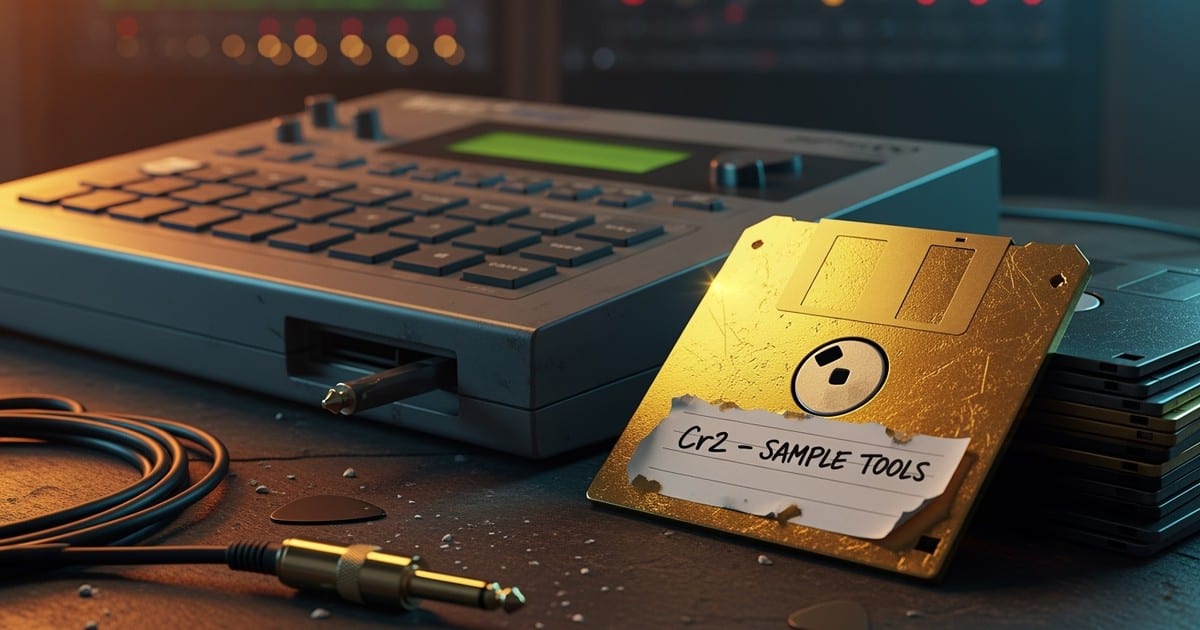
Create Music Group (CMG) is no longer just a rights management firm or a distributor; it is systematically rolling up the global infrastructure of electronic music. On Thursday, the Los Angeles-based company acquired UK veteran Cr2 Holdings Group, a move that signals a decisive pivot from simply monetizing music to monetizing the tools used to make it.
The deal encompasses three key assets: the Cr2 Records catalog (featuring heavyweights like Eric Prydz and David Guetta), the publishing arm MBMB, and—crucially—Sample Tools by Cr2. While financial terms remain undisclosed, the acquisition follows CMG’s $165 million raise from Flexpoint Ford and cements its valuation north of $1 billion.
Selling the shovels
The acquisition of Sample Tools by Cr2 is the strategic differentiator here. While legacy catalogs offer predictable yield, the sample market represents high-growth utility in the creator economy.
Key insight: By owning the sample packs that bedroom producers use to make hits, CMG now controls the earliest stage of the copyright supply chain.
This vertical integration allows CMG to deploy a unique flywheel: identify trending sounds via its viral marketing arm (Flighthouse), commission Sample Tools to create packs based on those trends, and sell them back to the 400 million fans in its ecosystem. It is a classic "selling shovels during a gold rush" play, adapted for the Sound Page era of TikTok.
The electronic roll-up
This deal is best understood not in isolation, but as the final piece of a 2025 consolidation trifecta. CMG has effectively cornered three distinct electronic sub-sectors in under 12 months:
| Target | Niche | Strategic Asset |
|---|---|---|
| !K7 | Underground/Techno | Physical distribution & DJ-Kicks brand |
| Monstercat | Gaming/Streaming | Massive sync leverage in Fortnite/Rocket League |
| Cr2 | Commercial House | Prosumer education & sample libraries |
Clean data leverage
Beyond immediate revenue, the acquisition of a clean, fully-owned sample library offers a defensive moat against generative AI liability. As platforms struggle with copyright infringement in AI training data, owning a library of high-fidelity, labeled, and cleared audio stems is incredibly valuable.
The opportunity: CMG can potentially license this clean data to ethical AI model developers, creating a revenue stream that traditional labels with complex, murky rights histories cannot easily access.
The middle-class squeeze
For the wider industry, the exit of a 21-year-old independent brand like Cr2 highlights the growing precariousness of the "middle class" indie label. Cr2 Founder Mark Brown will remain as President, and CMG executives Jonathan Strauss and Eric Nguyen will join the board, but the ownership transfer is telling.
The reality: Mid-sized indies are finding it increasingly difficult to compete with the scale of majors and the tech stacks of aggregators. To survive the streaming economy's thin margins, independent labels are seeking the capital infrastructure of "Super Indies" like CMG, which can offer global collection networks and "black box" royalty recovery that smaller operations cannot build alone.
What managers should watch
With CMG controlling access points across gaming, physical retail, and sample marketplaces, the company is positioning itself as a centralized power center outside the Major Label system.
- Cross-pollination: Managers should look for opportunities to leverage a signing in one division (like Cr2) to secure placements in another (like Monstercat's gaming syncs).
- Data transparency: With CMG claiming to generate 150 billion streams monthly, savvy dealmakers should demand access to this audience data as a core contract term, moving beyond standard royalty statements.