
What Is Spotify's Official Position on Direct Uploads?
Spotify states that "Distributors handle music distribution and pay streaming royalties" and instructs artists to "work with a distributor to get your music on Spotify."
Spotify maintains a Provider Directory of "preferred and recommended providers" that meet their standards for delivering music. This directory reinforces the distributor-first model rather than direct artist uploads.
What happened to direct uploads
Spotify did run a limited Upload Beta through Spotify for Artists, starting in 2018. However, Spotify announced it was closing the Upload Beta Program, stating it would "stop accepting any new uploads through Spotify for Artists" and that artists would need to "move their already released content to another provider."
Spotify framed the discontinuation as a strategic decision to focus on supporting artists through other tools and partnerships rather than operating a self-serve upload pipeline. The beta ended in 2019.
Warning Any service claiming you can "upload directly to Spotify" today is either a distributor/aggregator (even if they market themselves as "direct") or making misleading claims. Verify they appear in Spotify's Provider Directory.
Why distributors exist
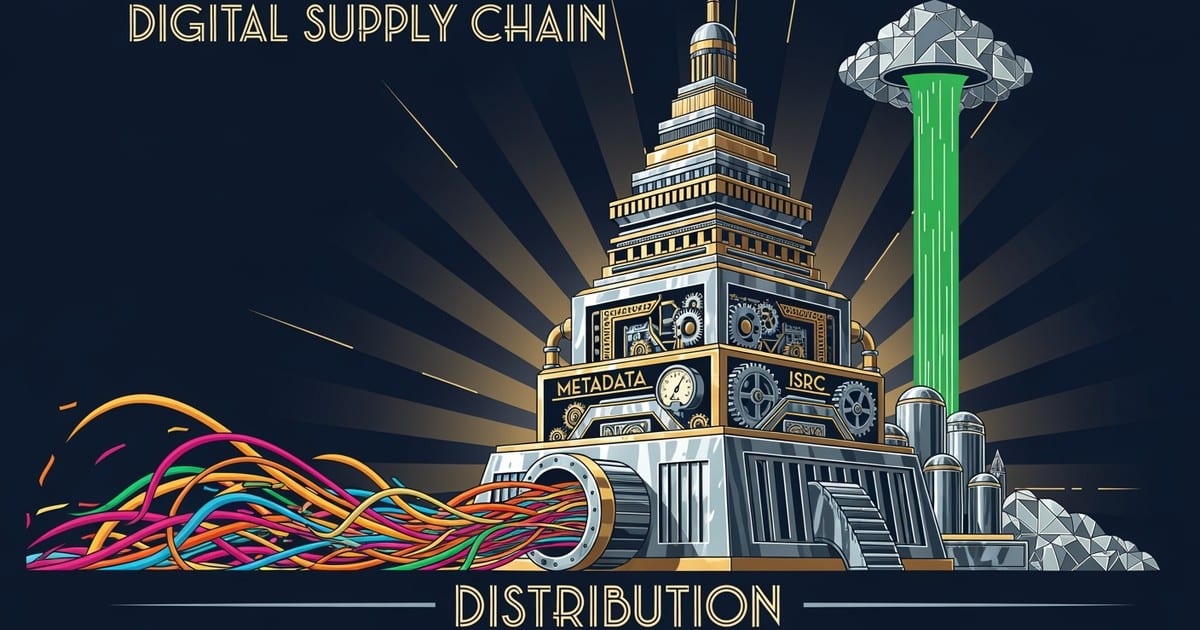
Spotify does not want to manage payouts and copyright checks for millions of individual creators. Distributors serve as infrastructure that:
- Verifies audio quality and format
- Enforces metadata standards (ISRCs, UPCs)
- Collects royalties from Spotify (and other platforms) and pays them to you
- Polices fraud and copyright infringement before it reaches the platform
- Handles cover song licensing and mechanical royalty obligations
What Are the Distributor Pricing Options in 2026?
Pricing varies by model: annual subscription, one-time fee per release, or revenue share. These are published prices as of 2026; pricing changes frequently.
Annual subscription models
| Distributor | Plans | Price | Notes |
|---|---|---|---|
| DistroKid | Musician | $24.99/year | Unlimited releases |
| Musician Plus | $39.99/year | Customizable release date, lyrics | |
| Ultimate | $89.99/year | All features + Leave a Legacy | |
| TuneCore | Rising Artist | $24.99/year | Unlimited releases |
| Breakout Artist | $44.99/year | Content ID, publishing admin | |
| Professional | $54.99/year | Custom label name, priority support | |
| Amuse | Artist | $23.99/year | ASAP delivery in 72h or less |
| Artist Plus | $35.99/year | ASAP in 24h or less | |
| Professional | $71.99/year | Full feature set | |
| UnitedMasters | DEBUT+ | $19.99/year | 100% royalties |
| SELECT | $59.99/year | All features |
One-time fee models
| Distributor | Single | Album | Notes |
|---|---|---|---|
| CD Baby Standard | $9.99 | $29.99 | No recurring fees |
| CD Baby Pro | $29.99 | $69.99 | Includes publishing admin |
Revenue share models
| Distributor | Share | Notes |
|---|---|---|
| AWAL | 15% of net receipts | No fees, 30-day rolling term, invite-only |
Note AWAL is selective and evaluates applications based on traction metrics (Spotify audience numbers, etc.). They do not publish a minimum listener threshold but review each application individually.
What happens to your music if you stop paying
This varies significantly by distributor:
Typically removed
- DistroKid: Releases may be removed if you stop paying the annual fee. Exception: releases with "Leave a Legacy" enabled remain available.
- TuneCore: Music is taken down if annual renewal isn't paid. For Unlimited plans, no grace period: music is removed the day the plan expires.
Stays live
- CD Baby: One-time fee, no recurring subscription. Music stays live indefinitely.
- Amuse: Explicitly states "Your music stays live even when downgrading" and "You keep releases" when you stop subscribing.
- AWAL: Revenue share model with no subscription fees. Termination is notice-based (30 days), not subscription lapse-based.
What Are the Delivery Times to Spotify?
Spotify states it needs 5 business days to get new music live. If your distributor delivers within 5 business days of release date, it may go live after release day.
| Distributor | Estimated delivery to Spotify |
|---|---|
| DistroKid | 2-5 days |
| TuneCore | 2 business days review + 2-5 business days Spotify |
| Amuse | ASAP in 24-72h (plan-dependent) |
| AWAL | Recommends 2 weeks lead time |
For editorial pitching, Spotify requires music to be delivered at least 7 days before release to give editors time to listen and to ensure Release Radar distribution to followers.
What Are the Hidden Costs and Gotchas With Distributors?
Cover song licensing
Distributors handle this differently:
| Distributor | Cover song fee |
|---|---|
| DistroKid | $12 per cover per year |
| Amuse | $14.99 per cover (one-time) |
| TuneCore | Separate licensing service |
You must obtain mechanical licensing for cover songs before releasing digitally. Distributors either provide this service or require you to handle it yourself.
YouTube Content ID fees
- Amuse Artist tier: 15% royalty fee on YouTube Content ID
- CD Baby: 30% cut for YouTube monetization
Higher tiers on most platforms reduce or eliminate these fees.
Other add-ons
- CD Baby: UPC code ($39.99), CDB Boost ($29.99), FastForward ($12.95)
- TuneCore: Additional artist profile as paid add-on
- AWAL: $50 minimum threshold for payments
Can you upload cover songs?
Yes, with proper licensing. A cover is your own recording of someone else's composition. You need a mechanical license, which some distributors provide:
- DistroKid deducts a legally mandated mechanical fee for U.S. downloads and routes it through HFA
- TuneCore offers a CoverSong Licensing service
- Amuse provides cover licensing as a paid add-on
Can you upload DJ mixes or mashups?
Only with full clearance from all rightsholders (both composition and master recording for every included track). You cannot include uncleared samples.
DistroKid explicitly states: uploading a DJ mix or remix requires permission "from all concerned parties" and "it is not possible to upload songs with uncleared samples."
What about direct deals?
Spotify does not advertise a self-serve path for individual artists to obtain a direct upload pipe. Direct licensing arrangements exist at major-label scale, but:
- They are not a standard public program
- They require Spotify to contract with you as a licensor/delivery partner
- They typically involve DDEX-standard catalog delivery (ERN) and extensive operational capability
For independent artists, the documented pathway is distributor delivery.
What Should You Know Before Switching Distributors?
If you change distributors, manage the transition carefully:
- Avoid takedown-then-reupload: Try to do a catalog transfer that preserves identifiers (especially ISRCs) so platforms can link history
- Expect reporting overlap: Royalties and reporting commonly continue arriving from the prior distributor for a period due to DSP accounting cycles
- AWAL warning: Transitioning catalog "can change how music appears and behaves across DSPs"
The exact length of any gap depends on how the transfer is executed and the DSP accounting schedule.
What Is the Recommendation for Choosing a Distributor?
Choose a distributor based on:
- Longevity needs: Will you keep paying annually, or do you need music to stay live indefinitely?
- Speed requirements: Do you need ASAP delivery, or can you plan 2 weeks ahead?
- Revenue model preference: Flat fee vs revenue share
- Feature requirements: Cover licensing, Content ID, publishing admin
Once distributed, platforms like Dynamoi can help you build an audience through pre-saves and smart ad campaigns, but distribution comes first.