
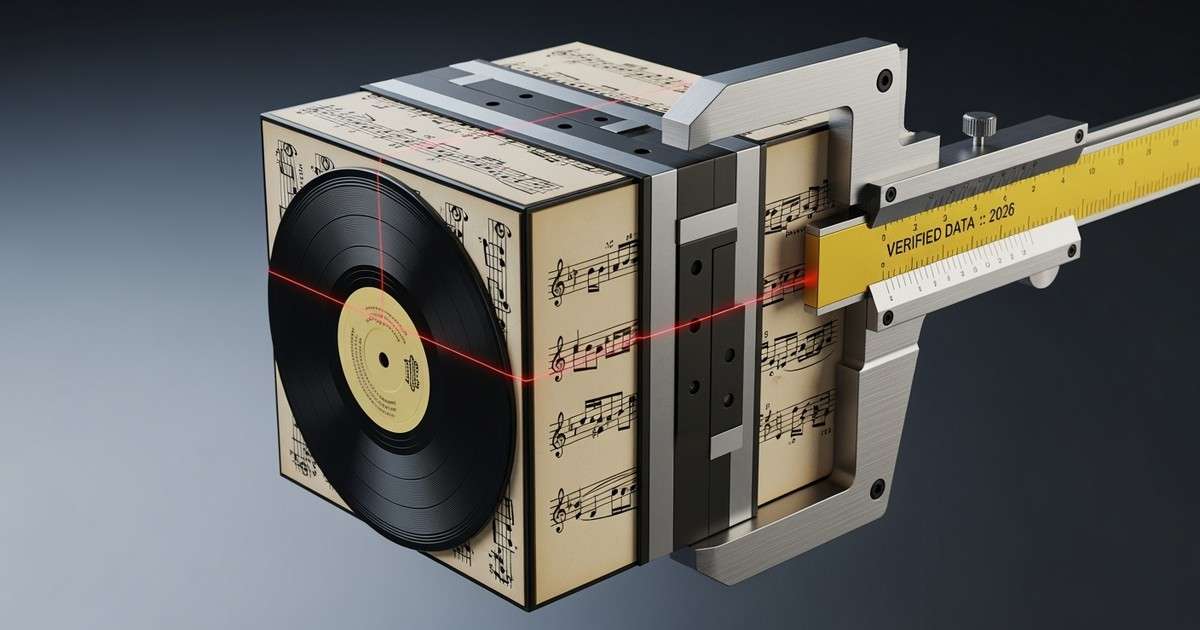
A licensed AI music model is an AI system trained on music where proper licensing agreements exist with rights holders (labels, publishers, and artists). Unlike early AI music tools that scraped copyrighted music without permission, licensed models have legal agreements covering their training data. Following the 2025 Suno and Udio lawsuit settlements, the industry is shifting toward this licensed approach as the standard for AI music generation.
Why Training Data Matters
AI music generators learn by analyzing existing music:
- Data collection - Gather music samples for training
- Pattern learning - AI identifies melodies, rhythms, structures
- Model training - System learns to generate similar content
- Output generation - New music created based on learned patterns
The legal question: Did the AI company have permission to use that music for training?
Licensed model: Training data comes from music where rights holders agreed to its use.
Unlicensed model: Trained on copyrighted music without explicit permission from rights holders.
The 2024-2025 Lawsuits
Major record labels sued AI music companies over training data:
June 2024: Universal Music Group, Sony Music, and Warner Music Group filed lawsuits against Suno and Udio, alleging the companies trained their models on copyrighted recordings without permission.
October 2025: Universal Music settled with Udio, announcing a licensing deal for UMG's catalog with plans for a 2026 subscription service using licensed content.
November 2025: Warner Music settled with both Suno and Udio, establishing licensing agreements with opt-in control for artists.
Ongoing: Sony's lawsuit against Udio remains active as of early 2026.
Note These settlements represent a fundamental shift in the AI music industry. Rather than fighting in court, labels and AI companies are establishing licensing frameworks that compensate rights holders when their music trains AI models.
Licensed vs. Unlicensed Models
Licensed Models
Characteristics:
- Training data covered by rights agreements
- Payments to rights holders (labels, publishers, artists)
- Clear legal standing for the platform
- May have content restrictions from licensors
Examples:
- Stable Audio (trained on AudioSparx licensed library)
- Post-settlement Suno models (using Warner-licensed content)
- Planned Udio 2026 service (UMG and WMG licensed)
Previously Unlicensed Models
Characteristics:
- Trained on music without explicit permission
- Subject to copyright infringement claims
- Legal risk for the platform (not necessarily users)
- Subject of the 2024-2025 lawsuits
Status changes:
- Suno settling and transitioning to licensed models
- Udio restricted and pivoting to licensed service
- Industry-wide movement toward proper licensing
Current Tool Status
| Tool | Training Data Status | Notes |
|---|---|---|
| Stable Audio | Fully licensed (AudioSparx) | Trained on owned/licensed content |
| Suno (current) | Mixed, transitioning | Warner deal in place, more coming |
| Udio (current) | Restricted | UMG/WMG deals, Sony pending |
| AIVA | Proprietary | Claims original training data |
| Mubert | Licensed samples | Built from licensed contributor library |
What This Means for Creators
For Your Commercial Rights
Good news: Your commercial license from the AI tool is separate from training data questions. If you have a paid subscription with commercial rights, you can distribute your music.
The distinction:
- Training data licensing = platform's legal issue
- Your commercial license = your distribution rights
- These are separate concerns
Industry Perception
Using tools with licensed training data may provide:
- Cleaner industry perception
- Potentially better platform treatment
- Reduced association with controversy
- Forward-compatible as standards tighten
Practical Impact
For most AI music creators, the immediate impact is minimal:
- Your existing tracks remain distributable
- Commercial licenses still apply
- Platforms are not removing user content over training data
However, the industry direction is clear: licensed models are becoming the standard.
The Future Direction
Post-settlement trends indicate:
More licensing deals:
- Labels negotiating with AI companies
- Publishers following similar paths
- Indie artist opt-in programs emerging
New compensation models:
- Royalties from AI tool subscriptions
- Per-generation fees to rights holders
- Artist participation in AI-generated revenue
Technical changes:
- New models trained on licensed catalogs
- Potentially different sound characteristics
- More restrictions on certain outputs
Industry acceptance:
- Greater comfort with licensed AI tools
- Potential new platform categories
- Clearer distinctions in the market
Choosing AI Tools
When selecting AI music tools, consider:
For maximum legal clarity:
- Stable Audio (fully licensed from the start)
- Tools with announced label partnerships
For current functionality:
- Suno remains functional with commercial rights
- Watch for transition announcements
To avoid:
- Tools with active lawsuits
- Platforms with unclear licensing status
- Services that may face sudden restrictions
The Bottom Line
Licensed AI music models represent the maturing of the AI music industry. The chaotic early period of training on any available music is giving way to structured licensing agreements between AI companies and rights holders.
For AI music creators, this transition brings:
- Greater long-term stability
- Clearer legal foundations
- Potential new revenue streams (if you're also a rights holder)
- Possible changes in tool capabilities
Your commercial license for distributing AI-generated music remains valid regardless of training data questions. But choosing tools with licensed training data positions you within the emerging industry standard rather than a contested gray area.