
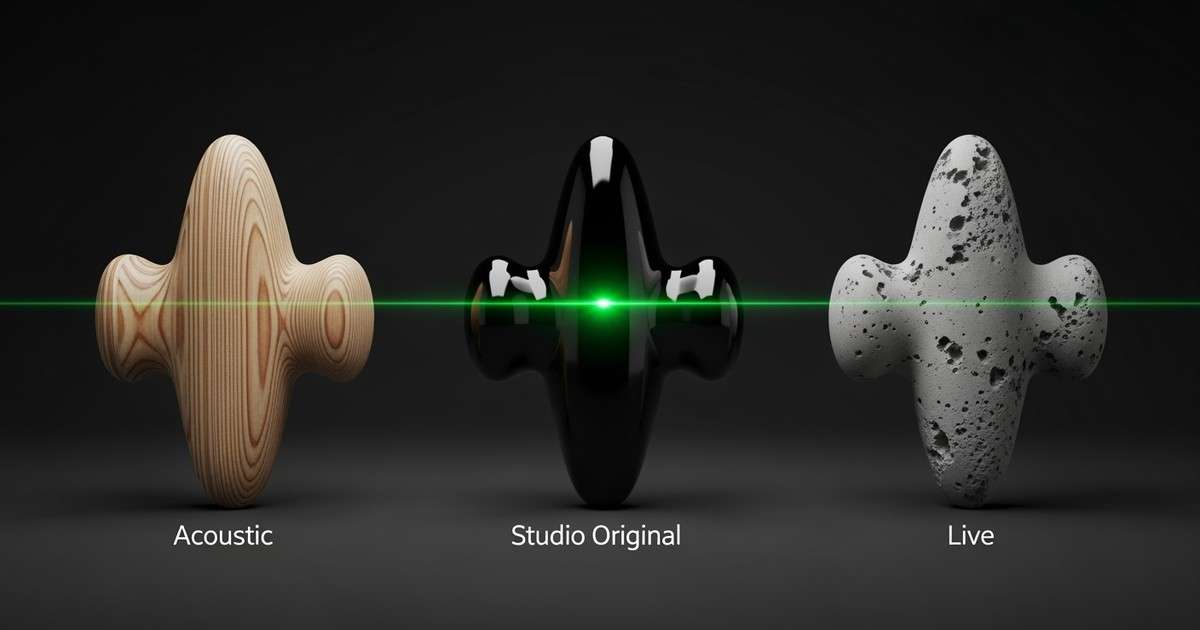
Spotify updated its Release Radar algorithm to filter out certain alternate versions of tracks. Acoustic renditions, live recordings, and karaoke versions are now less likely to appear in listeners' weekly Release Radar playlists.
This change was rolled out quietly, with Spotify confirming the update only after artists and distributors noticed drops in Release Radar streams for specific release types.
What changed
Spotify now excludes "some alternative versions of tracks" from Release Radar, including:
- Acoustic versions
- Live recordings
- Karaoke versions
Remixes are still included. The filter targets alternate takes of existing songs, not entirely new derivative works.
| Version type | Included in Release Radar? |
|---|---|
| Original studio recording | Yes |
| Remix | Yes |
| Acoustic version | Usually no |
| Live recording | Usually no |
| Karaoke/instrumental | No |
Why Spotify made this change
Spotify's official rationale, confirmed via their support team:
"After running multiple tests, we've learned that filtering out some alternative versions of tracks (e.g. acoustic, karaoke, or live) boosts Release Radar performance, in turn helping more artists have a more successful release."
The goal is to prevent Release Radar from becoming cluttered with multiple versions of the same song from a single artist. By prioritizing original content, Spotify aims to give each artist's new music a cleaner shot at listener attention.
How Spotify detects alternate versions
The filter does not rely solely on metadata. Spotify's audio analysis can detect characteristics of live recordings, such as audience noise, room ambiance, or performance variation, even if the track is not labeled as "live" in the distributor metadata.
Warning Labeling a live track as a "studio recording" will not bypass the filter. Audio fingerprinting appears to be the primary gating mechanism, not metadata.
How Does This Change Impact Your Release Strategy?
For artists who frequently release live albums, acoustic sessions, or alternate takes, this update reduces algorithmic distribution for those releases.
Affected release types:
- Live EPs and concert recordings
- Stripped/acoustic versions released as singles
- Extended plays featuring multiple versions of a song
- Karaoke or instrumental versions
Unaffected releases:
- Original studio recordings
- Remixes with new production elements
- Deluxe editions featuring new original tracks
How to adapt
If alternate versions are a core part of your catalog strategy, consider these adjustments:
Lead with the original Release the studio version first to capture Release Radar exposure, then follow with alternates as supplementary content.
Treat live releases differently Market live albums directly to existing fans through email, social, and Spotify's Marquee tool rather than relying on algorithmic discovery.
Use clear metadata While metadata does not override audio detection, accurate labeling helps Spotify understand your intent and may influence future policy refinements.
Monitor your stats Check the Playlists tab in Spotify for Artists to see if your alternate versions are appearing in listeners' Release Radars. If not, adjust expectations for those release types.
What this does not affect
Release Radar's core mechanics remain unchanged:
- Tracks must be delivered at least 7 days before release to be eligible
- Each listener gets a maximum of one song per artist per week
- Songs stay in Release Radar for up to 4 weeks if the listener has not played them
- Followers of the artist receive priority placement
The alternate version filter is an additional layer on top of these existing rules.