
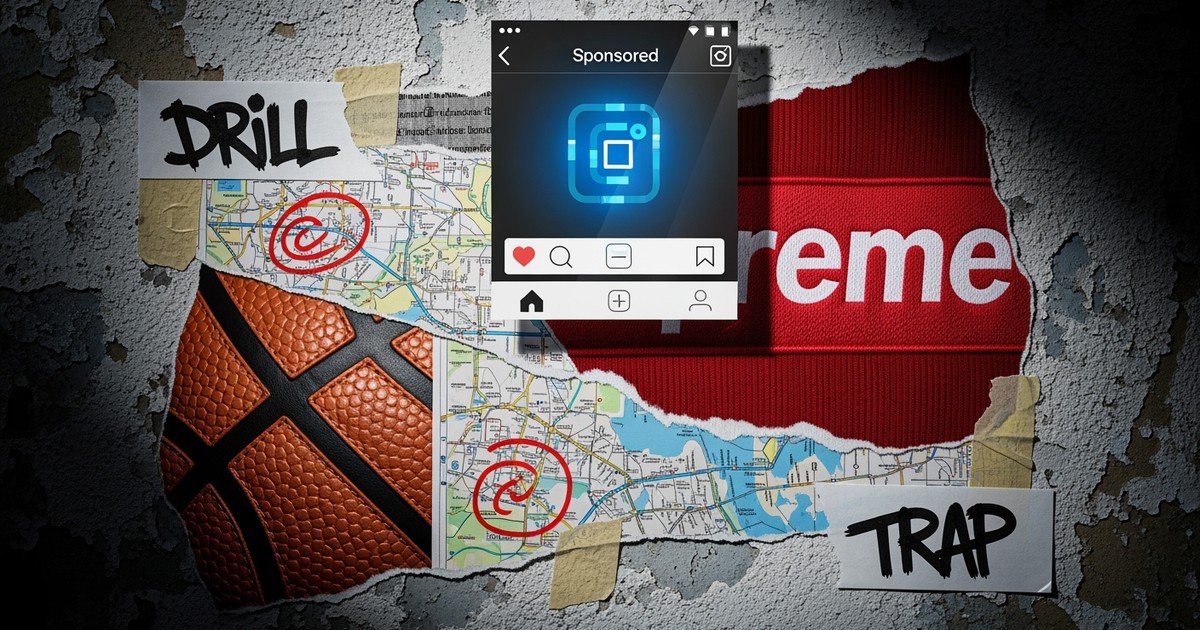
Hip-hop is not one audience. It is dozens of scenes with overlapping but distinct tastes, regional loyalties, and cultural codes.
If you target "hip-hop" as a single interest and let Meta figure it out, you are competing against every label and indie artist running the same lazy stack. Your CPMs rise, your relevance drops, and the algorithm learns nothing useful about your actual fans.
This guide covers how to build targeting that reflects how hip-hop audiences actually cluster, so your ads find the right pockets instead of drowning in the mainstream.
Why Generic Targeting Fails for Hip-Hop
The interest "Hip hop music" on Meta contains everyone from boom-bap purists to drill fans to listeners who saved one Drake song in 2018. That breadth is the problem.
When you target broadly, Meta's optimization has too many directions to explore. It will find cheap clicks wherever it can, which usually means casual listeners who scroll past your track without a second thought.
Note 73% of hip-hop listeners are 18 to 34, and the genre skews 62% male. But within that frame, subgenre and region matter more than age or gender for campaign performance.
The goal is to give Meta enough signal to find listeners who care about your specific corner of the genre, not the whole umbrella.
Subgenre Interests That Still Work
Meta consolidated many niche interests in mid-2026, but subgenre targeting remains viable if you know which categories survived.
| Subgenre | Interest categories to try | Notes |
|---|---|---|
| Trap | Trap music, Future (rapper), Migos, Young Thug | Still broad, but more directional than "hip-hop" |
| Drill | Drill music, Chief Keef, Pop Smoke, UK drill | UK drill has its own search behavior |
| Melodic rap | Juice WRLD, Lil Uzi Vert, Lil Baby | Combine with SoundCloud if younger demo |
| Boom-bap / lyrical | Kendrick Lamar, J. Cole, Joey Bada$$ | Older skew, higher streaming intent |
| Southern rap | Lil Durk, Moneybagg Yo, Rod Wave | Strong in Atlanta, Memphis, Houston |
Artist interests outperform genre interests because they carry more behavioral signal. Someone who follows Lil Baby's page is more likely to engage with melodic trap than someone Meta tagged as a "hip-hop music" enthusiast years ago.
Tip Use the "Fans also like" section in Spotify for Artists to find adjacent names. If your sound sits between two established artists, target both and let Meta find the overlap.
Geographic Clusters That Matter
Hip-hop scenes are regional. A Chicago drill artist should not spend equal budget in Los Angeles and Atlanta. The cultural context is different, and the audience response will be too.
High-density hip-hop markets in the US:
Atlanta, Houston, and Miami dominate Southern trap and melodic rap. New York and New Jersey index high for drill and East Coast boom-bap. Chicago is essential for drill, but also exports listeners to NYC and London. Los Angeles has a broad mix, but West Coast-specific sounds still cluster there.
International markets worth testing:
The UK has a mature drill and grime scene. Germany's local hip-hop dominates YouTube views, especially in Berlin. France and the Netherlands have strong domestic rap cultures. South Africa and Nigeria are growing fast for Afrobeats-hip-hop crossover.
Warning Do not target "United States" and let Meta distribute. You will over-deliver in low-CPM rural areas where hip-hop engagement is 50% lower than in urban and suburban metros.
If your budget is limited, pick two or three metros that match your sound and run separate ad sets. You will learn faster and waste less.
Cultural Signals Beyond Music
Hip-hop audiences cluster around adjacent interests that reveal taste more precisely than genre tags.
Streetwear and fashion: Supreme, Off-White, Jordan Brand, and sneaker culture are strong signals for younger, style-conscious listeners.
Sports: NBA content, boxing, and athletic participation correlate with hip-hop listenership. Target ESPN or Bleacher Report followers if your sound fits that energy.
Gaming and streaming: Twitch, Call of Duty, and NBA 2K have heavy hip-hop overlap. Useful for melodic rap and trap.
Cultural media: Complex, Worldstar, and No Jumper followers are already conditioned to discover new artists through that lens.
These interests work as "AND" filters when your audience is too broad, or as standalone targets when you are testing new pockets.
Creative That Speaks the Culture
Targeting gets your ad in front of the right people. Creative determines whether they care.
Hip-hop audiences are visually literate and culturally skeptical. Generic "new music" ads with stock footage and safe copy will get ignored or actively dismissed.
What works:
Authentic lo-fi visuals that look like they belong on a Reels feed, not a billboard. Lyric cards with lines that hit, not promotional copy. Artist personality in the first two seconds. Cultural references that prove you are not an outsider.
What fails:
Overproduced ads that feel like major-label campaigns from 2015. Generic CTAs like "Stream now" without context. Visuals that do not match the energy of the track.
Tip Test creative that would work as organic content first. If it feels like an ad, the algorithm will treat it like one, and hip-hop audiences will scroll past.
Layering Targeting With Lookalikes
If you have existing fan data, use it. A lookalike built from savers or engaged video viewers will outperform cold interest targeting in most cases.
The catch: your seed audience needs volume. A lookalike from 500 people is statistically noisy. Meta recommends at least 1,000 source users, but 5,000+ is where results stabilize.
For hip-hop specifically, build lookalikes from:
- Spotify savers or playlist adders (if you can track them)
- 75% or 95% video viewers
- Landing page visitors who spent more than 30 seconds
- Email subscribers who came through music-first funnels
Avoid building lookalikes from broad engagement signals like link clicks. Those attract bots and casual scrollers, and your lookalike inherits that noise.
Putting It Together
A strong hip-hop targeting setup combines:
- Subgenre interests or artist names that match your sound
- Geographic focus on metros where your scene has density
- Optional cultural-interest filters to sharpen the audience
- Retargeting and lookalikes once you have intent data
Start broad within your subgenre, let Meta's model explore, and add guardrails only when you see clear mismatches. If your drill track is over-delivering to pop listeners, add an exclusion. If it is finding drill fans in Chicago and London, let it run.
The model is better at finding taste clusters than you are. Your job is to give it a starting point that is specific enough to matter.