

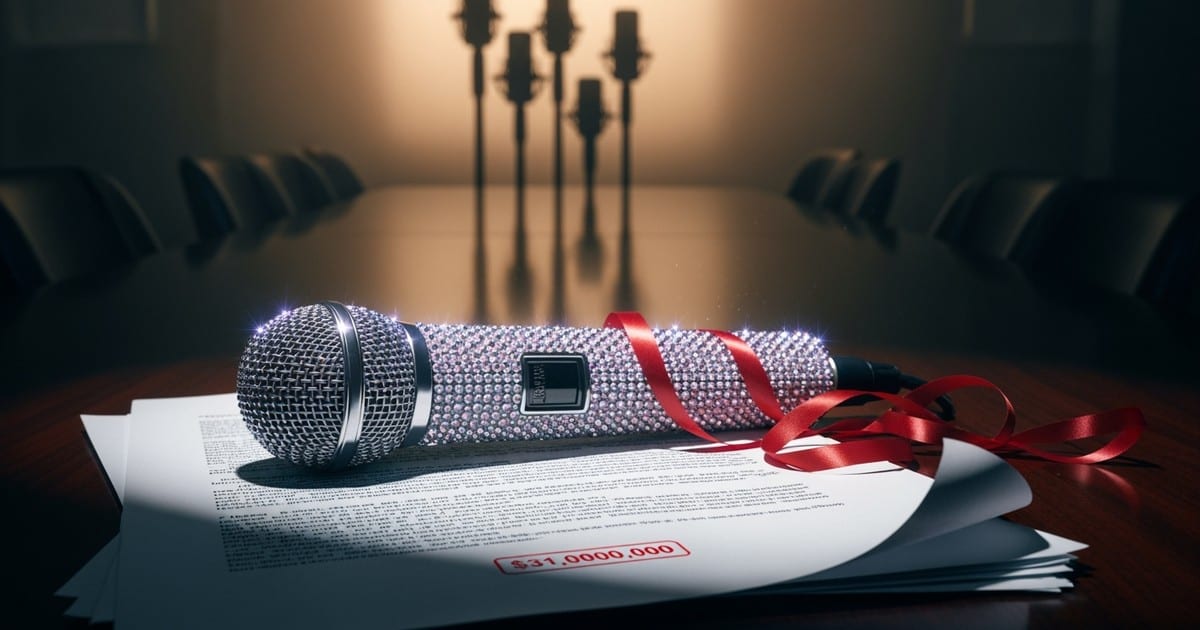
The single most expensive exit strategy in modern K-pop history just landed on the docket of the Seoul Central District Court. As of Wednesday, HYBE subsidiary ADOR is seeking 43.1 billion won ($31 million) in damages from NewJeans member Danielle Marsh, a family member, and former CEO Min Hee-jin.
This filing does more than formalize a breakup; it signals a ruthless evolution in how major conglomerates handle talent rebellion. By isolating a single member for massive financial penalties while reintegrating the majority of the group, ADOR is dismantling the collective bargaining leverage that often defines artist disputes.
Inside the $31M claim
The damages sought against Danielle and her co-defendants represent a staggering valuation of lost potential. While specific line items remain sealed, the figure likely aggregates three distinct financial buckets:
- Unrecouped investment: The direct costs of training, marketing, and production.
- Future revenue projection: Lost earnings through the contract's original 2029 expiration date.
- Penalty multipliers: Standard K-pop exclusivity clauses often mandate penalties ranging from 2x to 3x of the investment if the artist is found at fault.
Key insight: The inclusion of a family member as a co-defendant sets a chilling precedent. It suggests labels are prepared to treat parental guidance in contract disputes as "tortious interference," financially exposing the artist's support network.
Strategic fragmentation
The timing of the lawsuit reveals a calculated "divide and conquer" approach. For much of 2024, NewJeans operated as a monolith, attempting to terminate their contracts collectively. That unity has been systematically disassembled.
While Danielle faces a nearly eight-figure legal battle, ADOR simultaneously secured the return of members Hanni, Haerin, and Hyein. With member Minji still in negotiations, the label has effectively isolated the dissenters. This fragmentation forces remaining holdouts to choose between immediate reintegration or facing the same financial ruin as Danielle.
The "key person" liability
This legal war underlines the volatility of linking corporate assets to a single creative visionary. The suit names former CEO Min Hee-jin alongside Danielle, reinforcing HYBE's narrative that the artist's breach was engineered by external manipulation rather than organic dissatisfaction.
For industry strategists, this highlights a critical vulnerability in the "idol" model. When fandom loyalty is tied to a creative director's narrative (Min's specific vision for NewJeans) rather than the label's infrastructure, removing the executive can render the artist asset toxic. HYBE is now betting that enforcing contract sanctity is more valuable long-term than preserving the original lineup's commercial viability.
What rights holders must watch
The escalation to individualized litigation serves as a deterrent to other talent rosters watching from the sidelines. The message is clear: collective petitions may generate headlines, but financial liability is personal.
Labels should note the aggressive use of the court system to bypass the "court of public opinion." Despite NewJeans' global brand partnerships with houses like Celine and Burberry, ADOR is prioritizing legal control over short-term brand safety. The outcome of this $31 million gamble will likely rewrite the standard terms for artist exit clauses across the Asian music market.