

Spotify is no longer asking politely for YouTube’s market share. With a coordinated three-pronged offensive launched Thursday, the streaming giant has fundamentally restructured its creator economy to aggressively target video consumption and ad revenue.
By slashing monetization barriers and opening its walled garden to third-party hosts, Spotify is signaling that 2026 is the year it pivots from an audio DSP to a hybrid video media giant.
Breaking the entry barrier
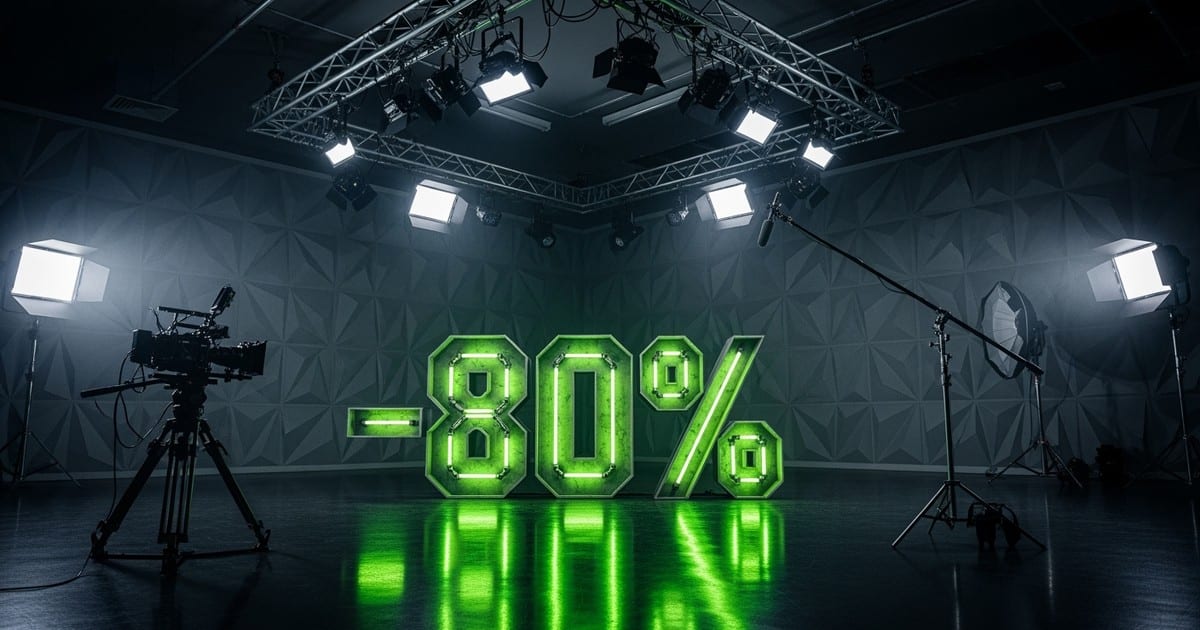
The headline move is a drastic reduction in eligibility for the Spotify Partner Program. Effective immediately, the friction for mid-tier creators to earn revenue has evaporated. The platform has cut the required consumption hours by 80%, meaning a show now needs just 2,000 hours of consumption in the last 30 days rather than the previous 10,000.
Key insight: The episode requirement has dropped from 12 to just 3. This allows limited-run series, new album promotional cycles, and developing artists to monetize almost immediately without building a massive back catalog.
This mirrors the strategy TikTok used to explode its middle class of creators. By making monetization accessible to those with 1,000 unique listeners (down from 2,000), Spotify is betting that financial incentives will drive creators to prioritize their platform over YouTube, where full monetization requires 4,000 watch hours.
Solving the enterprise friction
While the lower thresholds grab headlines, the technical shift is arguably more significant for major labels and radio networks. Previously, video on Spotify required using proprietary upload tools, creating a workflow bottleneck for professional teams.
With the launch of the Spotify Distribution API, this friction is gone. Creators hosting on enterprise platforms including Acast, Libsyn, Omny Studio, and Audioboom can now publish video directly to Spotify without migrating their RSS feeds. For label executives and podcast networks managing dozens of shows, this integration transforms Spotify Video from a manual operational headache into a seamless automated distribution point.
Physical footprint expands
To anchor its "prestige" content strategy, the company officially opened Sycamore Studios in West Hollywood. This facility serves as the new headquarters for The Ringer and provides a physical hub for high-end video production.
This is not a community center. Access is "invite-only" for Partner Program members, functioning similarly to the YouTube Spaces of the 2010s. It creates a tangible incentive for top-tier talent to remain loyal to the ecosystem while providing the infrastructure needed to produce TV-quality "vodcasts" that keep users staring at their screens rather than keeping their phones in their pockets.
What this means for music strategy
For artist managers and digital marketers, the implication is clear: audio is no longer enough.
- The opportunity: Artists should treat "visual radio" and serialized behind-the-scenes content as revenue-generating assets. Unlike music streams which pay fractions of a cent, the Partner Program offers engagement-based payouts that can supplement traditional royalties.
- The pivot: Marketing budgets must allocate resources for video versions of album commentaries and interviews. With the algorithm likely to favor video content to justify this investment, static audio uploads risk lower visibility.
- The risk: Dilution is real. As thousands of new creators qualify for payouts, the pool of ad revenue will be stretched thin. Managers should monitor effective CPMs closely through Q1 2026 to see if the volume of views compensates for potential rate compression.