

General Motors has officially begun its high-stakes operational pivot to reclaim the dashboard. As of Dec. 16, the automaker initiated an over-the-air rollout of a native Apple Music application for its 2025 and 2026 fleet, including the Cadillac VISTIQ and Chevrolet Blazer EV.
This is the first major software move since GM controversially announced it would phase out Apple CarPlay and Android Auto projection. By embedding the app directly into its Ultifi software platform, GM is decoupling Apple's subscription revenue from Apple's interface control.
For the music industry, this is more than a UI update. It represents a significant shift in hardware access, effectively locking high-fidelity playback to specific software partnerships.
Unlocking the hardware
Until now, "spatial" audio in cars has often been compromised by the bandwidth bottlenecks of Bluetooth or the limitations of phone projection protocols. GM’s native integration changes the physics of the listening environment.
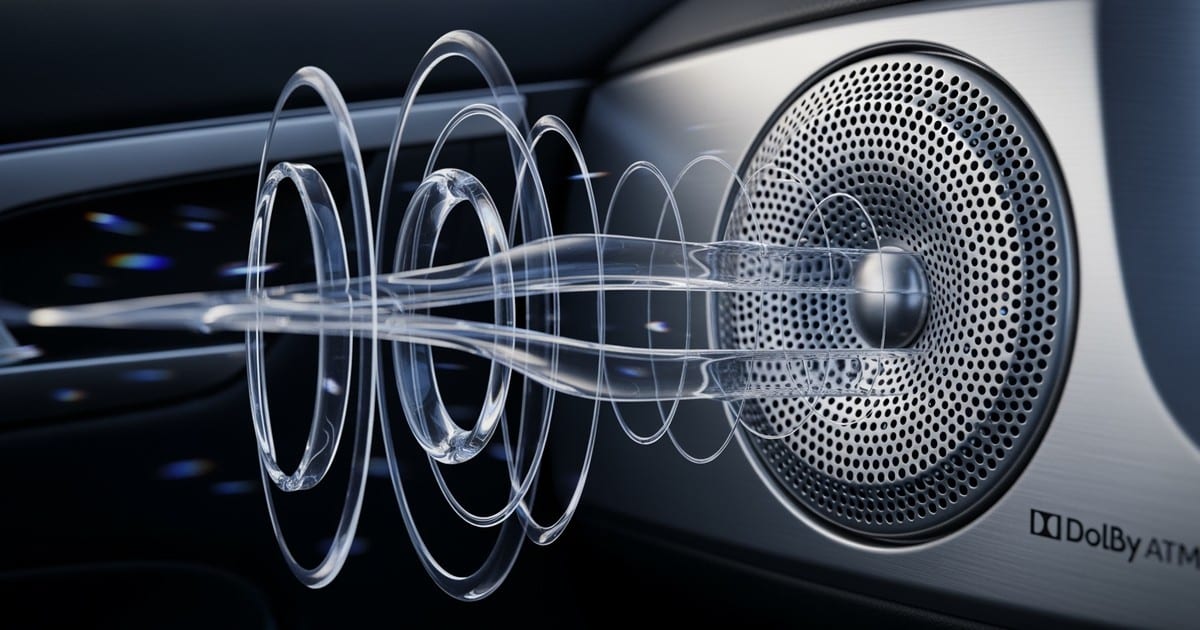
Because the application runs directly on the vehicle’s operating system, it can tap into hardware capabilities that tethered phones cannot easily access. The new integration supports Spatial Audio with Dolby Atmos, leveraging premium setups like the 23-speaker AKG Studio Reference system in the 2026 Cadillac VISTIQ to deliver studio-grade immersive sound.
Why it matters: This moves immersive audio from a headphone novelty to a hardware standard. Labels mixing for Atmos now have a mass-market, high-fidelity playback environment that exposes mix quality far more ruthlessly than earbuds.
A $25B data play
GM’s strategy is explicitly financial. The automaker aims to generate $20 billion to $25 billion in annual software and subscription revenue by 2030. To do that, they need to own the "app store" of the car.
By forcing users out of CarPlay and into native apps running on Ultifi, GM gains direct visibility into consumption data. While CarPlay acts as a data shield for Apple, a native app environment could eventually allow GM to offer granular analytics on in-car listening behaviors—a notorious "black box" for music marketers.
Key insight: GM is not banning Apple services; it is banning Apple's intermediation. Apple retains the subscriber, but GM retains the user experience and the data flow.
Dashboard fragmentation risks
This rollout signals a fragmented future for digital service providers (DSPs). In a CarPlay world, one iOS build worked for every vehicle. In the new "software-defined" era, DSPs face a more complex landscape.
The threat to Spotify: While Apple Music is now hard-coded into the vehicle’s premium trim levels with Spatial Audio support, competitors like Spotify may be relegated to inferior Bluetooth streaming unless they negotiate similar native integrations. This creates a two-tier listening experience where the partner service performs objectively better than the third-party option.
Reducing consumer friction
To mitigate the backlash of removing CarPlay, GM is subsidizing the connectivity costs. The rollout includes data for audio streaming within the OnStar Basics plan, which is free for eight years on new vehicle purchases.
The benefit: This removes the friction of pairing phones or paying for separate in-car Wi-Fi hotspots. An "always-on" music service reduces churn and increases potential listening hours.
The risk: The eight-year window aligns with initial ownership. The industry must watch whether GM eventually gates these features behind paid subscriptions for second owners, potentially depressing active user rates in older fleets.
What labels should watch
This development validates the car as the next major battleground for platform exclusivity. Industry professionals should prepare for:
- Higher mix standards: Audio engineers must verify Atmos mixes on automotive systems, not just headphones.
- Platform-specific campaigns: Marketing teams may need to target drivers based on vehicle OS (Android Automotive vs. MB.OS).
- Fragmentation: Expect more "walled garden" deals where specific hardware features (like 3D audio) are exclusive to partnered DSPs.