

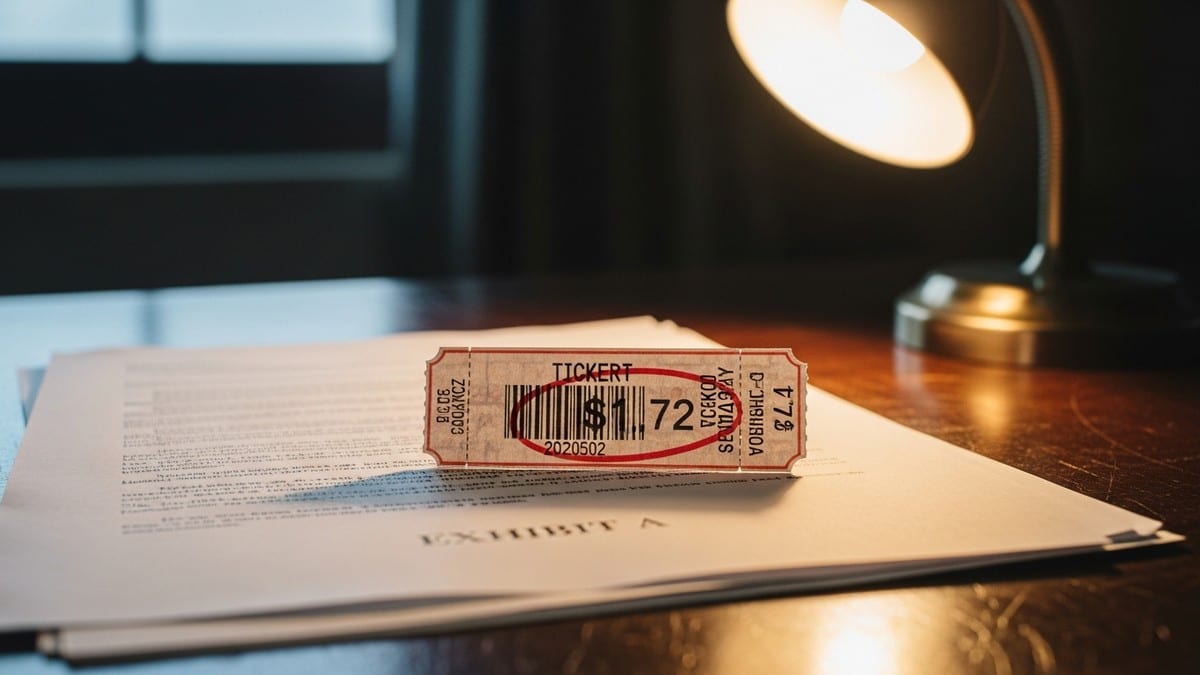
The legal assault on the world's largest live entertainment company has fractured into two distinctly different outcomes. Just weeks after the Department of Justice shocked the industry by settling its 2024 antitrust lawsuit against Live Nation, a coalition of state Attorneys General secured a decisive federal jury verdict. The April 2026 decision found the conglomerate liable for illegal monopolization and unlawful tying practices.
Dissecting a broken consent decree
For over a decade, independent competitors argued the behavioral safeguards from the 2010 Live Nation and Ticketmaster merger failed. The lawsuit targeted the company's vertically integrated flywheel, which regulators argued routinely stifled rivals.
Live Nation routes global tours through its owned amphitheaters, effectively requiring those venues to use Ticketmaster. Sponsorships and ticketing data then fund further acquisitions of independent promoters and strategic real estate.
The resulting scale is unprecedented, with Live Nation controlling over 80% of primary ticketing at major venues and 60% of concert promotions. Regulators even alleged that rival Oak View Group acted as a passive partner, ceding promotion markets in exchange for arena ticketing exclusivity.
Key insight: A guilty verdict for monopolization is only the first step, as the court must still determine if the remedy requires fully dismantling Ticketmaster or merely enforcing stricter contracts.
State persistence over federal settlement
The March 2026 DOJ settlement focused on behavioral remedies and partial amphitheater divestitures, stopping short of structural changes. A coalition of 34 state Attorneys General, led by New York's Letitia James, rejected that compromise as vastly insufficient.
They continued the trial and convinced a federal jury that Live Nation was actively harming consumers. The jury ultimately quantified the monopoly's cost, determining fans paid an average of $1.72 extra per ticket in unnecessary fees.
| Dimension | DOJ Approach | State AG Coalition | Live Nation Defense |
|---|---|---|---|
| Strategy | Settled mid-trial | Proceeded to jury | Pointed to 1.4% margins |
| Outcome | Behavioral remedies | Guilty verdict | Downplayed overall risk |
| Breakup Threat | Effectively abandoned | Still legally pending | Dismissed as populist |
Tour routing leverage shifts
If the presiding judge voids exclusive ticketing contracts as a structural remedy, the balance of power shifts rapidly toward artist teams. Managers will gain the leverage to choose alternative ticketing platforms like SeatGeek or DICE even when booking Live Nation arenas.
Independent promoters could finally bid effectively for developing acts without facing an all-or-nothing venue ecosystem. Marketers will also find new flexibility to deploy capital efficiently.
The jury's finding on unlawful tying means artists can no longer be forced to use Live Nation's promotion arm just to access premium amphitheaters. Label marketing teams will also face a heavily fragmented data landscape, requiring them to integrate multiple ticketing API connections to track fan behavior properly.
Unintended consequences for capital
Dismantling this massive flywheel carries distinct financial risks for the broader touring ecosystem. Ticketmaster's standalone viability remains an open question if it loses the cross-subsidization of Live Nation's $25.2 billion in 2025 revenue.
- The benefit: Artists achieve true ticketing sovereignty and transparent fee structures.
- The risk: Independent venues lose the massive, upfront cash bonuses Ticketmaster traditionally paid for exclusive rights.
- Works when: The live market is expanding and consumers willingly navigate fragmented purchasing platforms.
- Fails when: Standalone ticketing providers hike base fees to compensate for lost promotion subsidies.
Superstar artists might ultimately bear the hidden costs of this legal victory. Without guaranteed ticketing monopolies to cover inevitable promotion losses, the era of massive upfront tour guarantees could face a severe market correction.