How Similarity Problems Arise
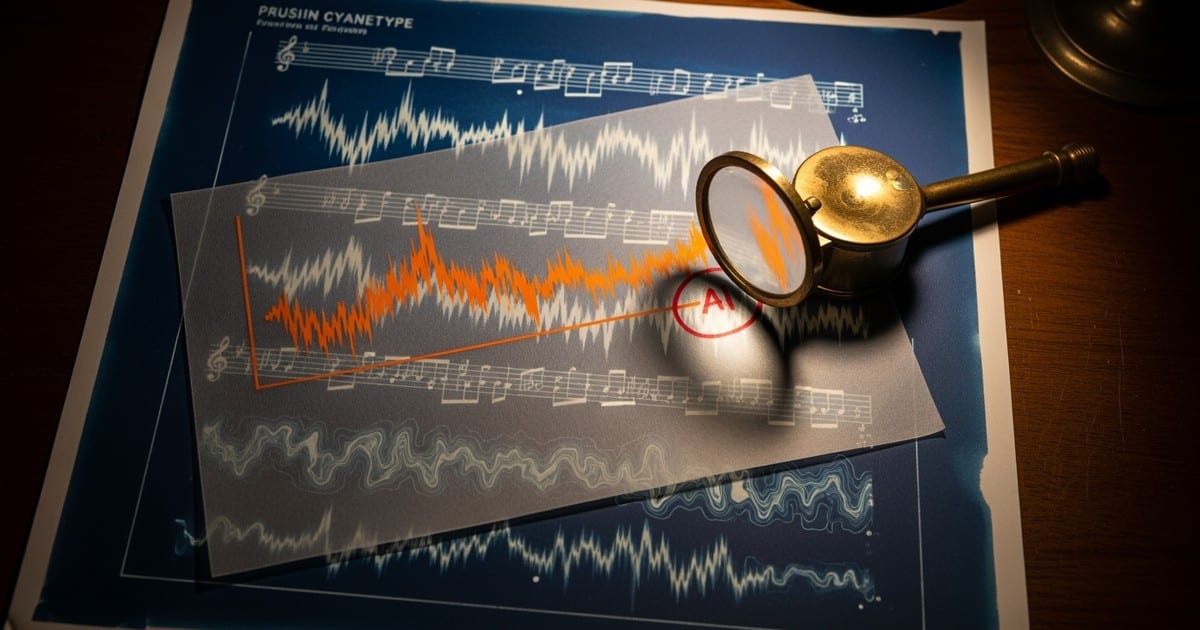
AI music models are trained on existing recordings. This training can cause outputs to contain:
| Issue | How It Happens |
|---|---|
| Similar melodies | AI reproduces melodic patterns from training data |
| Chord progressions | Common or distinctive progressions replicated |
| Rhythmic patterns | Signature beats or grooves approximated |
| Timbral textures | Sound characteristics matching specific recordings |
| Structural similarities | Song form mirroring copyrighted works |
The lawsuits against Suno and Udio specifically cited examples of AI outputs resembling songs like "My Way" and "My Girl."
How Does Content ID Flag Similarity Issues?
YouTube's Content ID system often catches similarity issues before legal claims arise:
How it works:
- Algorithms compare audio fingerprints against a database of copyrighted works
- Matches trigger automatic claims
- Claims can result in monetization loss, muting, or removal
The AI music problem:
- AI outputs may contain fragments similar to training data
- Content ID doesn't care how the similarity occurred
- Unintentional matches are treated the same as deliberate copying
Over 27,000 YouTube videos were affected in 2024 by copyright claims on AI-generated audio.
Warning Content ID claims can lead to copyright strikes. Three strikes result in channel termination. Disputing claims requires asserting you have rights, which may not be true if your AI output actually infringes.
What Is the Legal Standard for Infringement?
Copyright infringement requires "substantial similarity" to protected elements. Courts consider:
Access: Did the AI model have access to the copyrighted work? If trained on commercial recordings, likely yes.
Similarity: Is the output substantially similar to protected expression? Not just ideas or common elements, but distinctive creative expression.
Protected elements: Not everything is protected. Common chord progressions, generic beats, and standard structures may not be copyrightable.
The challenge: AI-generated music can be similar without directly copying, creating legal uncertainty.
Which Prompts Increase Copyright Risk?
Certain prompt styles increase similarity risk:
High risk prompts:
- "Make a song that sounds like [specific artist]"
- "Create something similar to [song title]"
- "Generate a track in the exact style of [recognizable hit]"
Lower risk prompts:
- Genre descriptions without artist references
- Mood and tempo specifications
- Original conceptual directions
The more specifically you reference existing music, the more likely the output resembles it.
How Should You Detect Similarity Before Distribution?
Check your AI music before uploading:
- Listen critically: Does anything sound familiar?
- Use melody detection tools: Apps that identify songs can flag potential issues
- Check chord progressions: Distinctive progressions from famous songs are higher risk
- Research similar artists: If you prompted for a specific style, compare to popular tracks in that style
- Get feedback: Others may recognize similarities you missed
Catching problems before distribution is far easier than dealing with claims after.
What to Do If Flagged
Content ID Claim on YouTube
If the claim is valid (genuine similarity):
- Accept the claim
- Consider removing or modifying the video
- Don't dispute falsely
If the claim is incorrect:
- Submit a dispute explaining why
- Provide evidence of independent creation
- Be prepared for the dispute to be rejected
If dispute is rejected:
- Consider whether an appeal is worth the risk of a strike
- Consult a music attorney for serious cases
Streaming Platform Issues
If flagged on Spotify/Apple Music:
- Your distributor will notify you
- You may need to remove the track
- Repeated issues can affect your distributor relationship
Formal Copyright Claim
If you receive legal correspondence:
- Take it seriously
- Consult a music attorney immediately
- Document your creation process
- Having AI commercial rights doesn't mean the content doesn't infringe
What Are the Best Risk Reduction Strategies?
- Avoid artist-specific prompts: Don't reference songs or artists directly
- Use AI platforms with clean training data: Some platforms emphasize licensed or public domain training sets
- Add human elements: Original melodies or arrangements reduce AI-generated portions
- Screen before release: Check for recognizable similarities
- Document your process: Records help if you need to prove independent creation intent
- Consider platform choice: Some AI tools (Soundraw, AIVA) offer indemnity clauses
What Is the Platform Indemnity Question?
Some AI music platforms offer stronger protections:
| Platform | Indemnity Status |
|---|---|
| Soundraw (Business) | Indemnity clauses included |
| AIVA (Enterprise) | Liability protections |
| Mubert (Pro License) | Vendor liability terms |
| Suno/Udio | Limited user indemnity |
Indemnity shifts some liability to the platform if their output causes claims. This doesn't prevent claims, but it can help with defense costs.
What Is the Bottom Line?
AI music similarity risk is real and not fully resolved legally. Protect yourself by:
- Avoiding prompts that reference specific songs or artists
- Screening output for recognizable similarities
- Using platforms with cleaner training data when possible
- Adding human elements to reduce AI-generated content proportion
- Documenting your creation process
- Taking Content ID claims seriously rather than disputing without justification
Commercial rights from your AI platform give you permission to monetize. They don't guarantee the content is non-infringing. That distinction matters when similarity claims arise.