

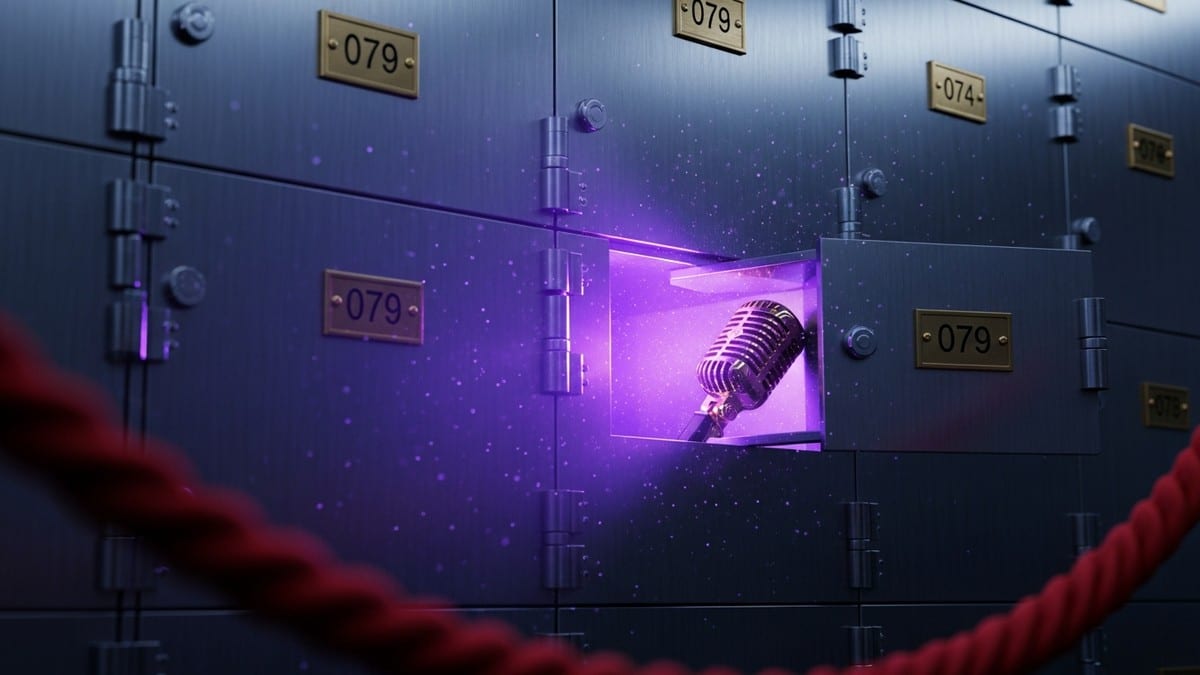
On January 14, 2026, HYBE Corporation delivered the two things investors and fans have been desperate for: a return date for BTS and a coherent plan to fix the company’s post-hiatus margins. While the headlines focused on the K-pop juggernaut’s 79-show world tour, the real story for industry strategists is CEO Jason Jaesang Lee’s new directive: a pivot to a "Scarcity Model."
For the last decade, the global music business has worshipped at the altar of ubiquity—putting every song on every platform for free (or cheap) to maximize reach. HYBE is now signaling a sharp U-turn, betting that the future of monetization lies in artificial limits, windowed access, and the high-yield economics of exclusion.
The scarcity thesis
CEO Lee’s announcement outlines a deliberate contraction of supply to drive value. While Western majors like Universal Music Group are focused on "segmentation"—adding new tiers to monetize superfans—HYBE’s approach is fundamentally subtractive. By limiting access to experiences and goods, they aim to engineer higher revenue per fan (ARPU) through intense FOMO.
Key insight: "Scarcity is an important element that enhances the added value of the fan experience," Lee told staff. "We will design and test an integrated online and offline experience model based on scarcity."
This is a direct challenge to the "digital abundance" model where 100 million tracks are available for $10.99. HYBE is essentially attempting to reintroduce the velvet rope to a digital ecosystem defined by infinite reproducibility.
A $800M proof of concept
The timing is tactical. You can only test a scarcity model if you have an asset with inelastic demand, and BTS is the ultimate test subject. After a four-year military hiatus that saw HYBE’s operating profit drop 37.5% YoY in 2024, the group returns with massive leverage:
- Scale: A global trek starting April 9, 2026, at Goyang Stadium.
- Volume: 79 shows across 34 markets.
- Revenue potential: With VIP pricing dynamics, gross ticketing revenue could approach $800 million, excluding merchandise.
CEO Lee calls 2026 the "year of realization," intending to prove the ROI of the company's "HYBE 2.0" investments. The tour serves as the engine to funnel traffic into this new, gated ecosystem.
Engineering the velvet rope
To operationalize this, HYBE will leverage its proprietary platform, Weverse, to control the supply chain of fandom. Unlike Western labels dependent on Spotify or TikTok, HYBE owns the customer relationship. Expect to see:
- Aggressive Windowing: Content that doesn't hit DSPs until days or weeks after it appears on paid fan channels.
- Gated Ticketing: The BTS tour presale allocates significant inventory specifically to membership holders, effectively shutting out casual consumers and forcing them into the paid ecosystem just for a chance to buy.
- Phygital Drops: Merchandise runs that are strictly numbered and limited, creating a secondary market where items appreciate in value—a "Fan to Fan" economy Lee explicitly referenced.
Exclusion vs. segmentation
The distinction between HYBE’s strategy and Western superfan strategies is critical.
- Western Model: Additive. Keep the music free, but sell a "deluxe" digital box set or a badge on a profile.
- HYBE Model: Subtractive. The music or experience is unavailable unless you cross the paywall.
If HYBE succeeds in normalizing this "pay-to-access" culture for digital goods, it solves the valuation problem that streaming created. However, the risk is significant.
The alienation risk
Scarcity is the oxygen of the scalper. By intentionally under-supplying the market to maintain high prices and prestige, HYBE risks driving fans toward the secondary market where they capture zero upside. Furthermore, K-pop fans are already the most monetized demographic in music. A strategy explicitly designed to "enhance added value"—corporate speak for raising prices—tests the limits of loyalty.
If the "Scarcity Model" works for BTS in 2026, expect HYBE to rapidly deploy it across its US assets, including Quality Control and the Geffen partnership. The industry is watching to see if less really can be more.