

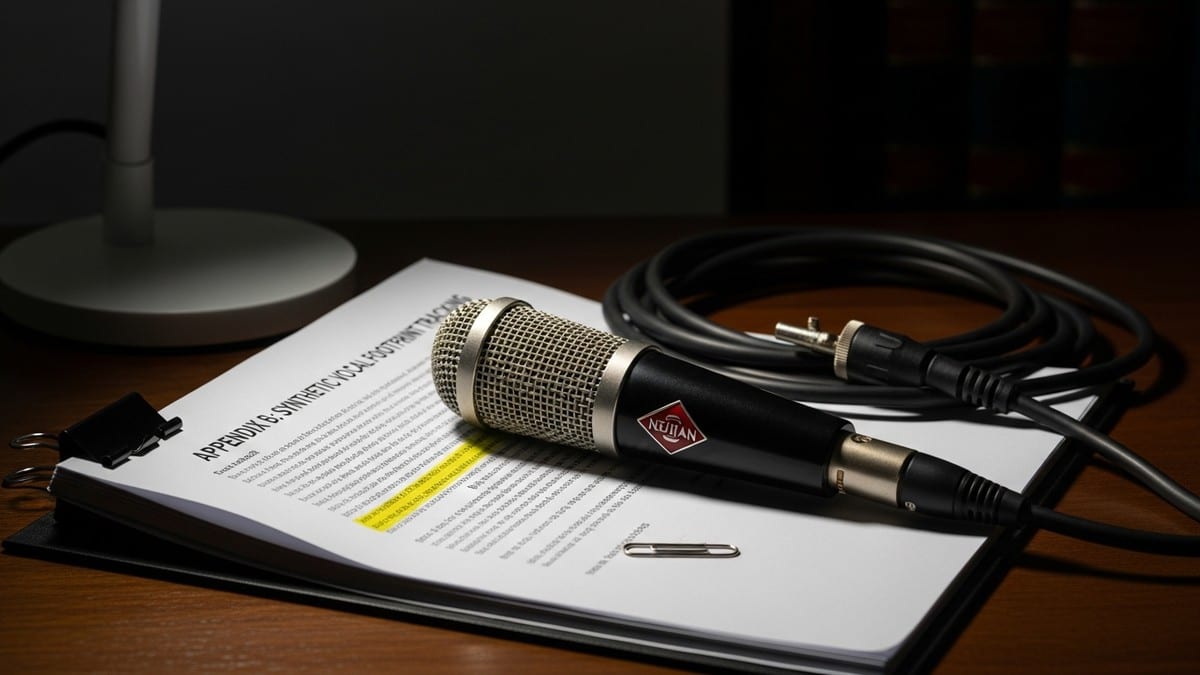
The music industry has officially pivoted from playing whack-a-mole with artificial intelligence to putting it on the payroll. Following a landmark Streaming 2.0 agreement with Universal Music Group, YouTube has officially deployed its Voice Clone Monetization API.
This integration patches a critical vulnerability in the modern creator economy. Instead of relying on slow takedown notices for unauthorized synthetic vocals, rights holders can now automatically capture the ad revenue those viral tracks generate.
Tracking synthetic fingerprints
Since the viral fake Drake incident of 2023, labels have struggled to contain deepfake vocals using traditional copyright frameworks. Old laws were built for sampling master recordings, not mimicking vocal timbres.
By integrating synthetic tracking directly into Content ID, YouTube is formally recognizing an artist's vocal footprint as a protectable asset. Rights holders can now whitelist specific AI vocal models within the system. When the algorithm detects a synthetic singing match in user-generated content, labels can either block the video or automatically claim the advertising revenue.
Key insight: The transition from defensive takedowns to automated monetization marks the industrialization of AI music, turning unauthorized fan creations into decentralized promotional assets.
YouTube is also solving headaches on the creator side. A new "Create" button inside the "Replace Song" UI allows YouTubers hit with traditional copyright strikes to instantly generate an AI-produced, royalty-free track. This clears the claim and restores the video's monetization without alienating the label.
Where the training money flows
Sony, Warner, and UMG are actively negotiating lucrative lump-sum payments alongside revenue-share models. In exchange, YouTube gains the right to train internal AI engines, such as Lyria, on their historic master catalogs.
UMG CEO Sir Lucian Grainge has championed this era, noting the framework drives greater monetization for artists while establishing necessary guardrails. Lyor Cohen, YouTube's Global Head of Music, positions the new tools as a way to enhance human creativity rather than replace it.
This dual-revenue approach requires a fundamental restructuring of how the industry handles intellectual property.
| Deal Component | Traditional Master | AI Voice Clone Model |
|---|---|---|
| Asset class | Recorded audio track | Synthetic vocal footprint |
| Enforcement | Manual takedown notices | Automated system claiming |
| Revenue source | Direct platform streaming | Algorithmic ad splits |
How executives must adapt
Securing a massive check from a tech giant is an immediate win, but managing this new ecosystem dictates long-term brand health. Label operations must evolve quickly to handle digital likeness as a core business unit.
- The benefit: Labels tap into passive revenue from user-generated content that previously bypassed the system.
- The risk: Broad training licenses could oversaturate the platform, cannibalizing human artistry to service quarterly financial goals.
- Works when: Artist managers act as strict brand stewards, defining exactly where and how a digital twin can be deployed.
- Fails when: Independent creators are locked out of API access, leaving mid-tier talent unprotected while superstars dominate the synthetic space.
The operational mandates
Legal and marketing teams face an immediate pivot. Labels must first audit legacy contracts to ensure they hold explicit rights to license an artist's digital likeness for machine learning. This essentially creates a private-sector version of right-of-publicity enforcement.
Furthermore, digital marketers need to master the new dashboard to rapidly distinguish between authorized fan remixes and damaging deepfakes. A&R and management must navigate opt-in negotiations on a strict artist-by-artist basis. Because YouTube is licensing these models individually, top-tier talent possesses unprecedented leverage to demand bespoke terms rather than accepting blanket catalog rates.